
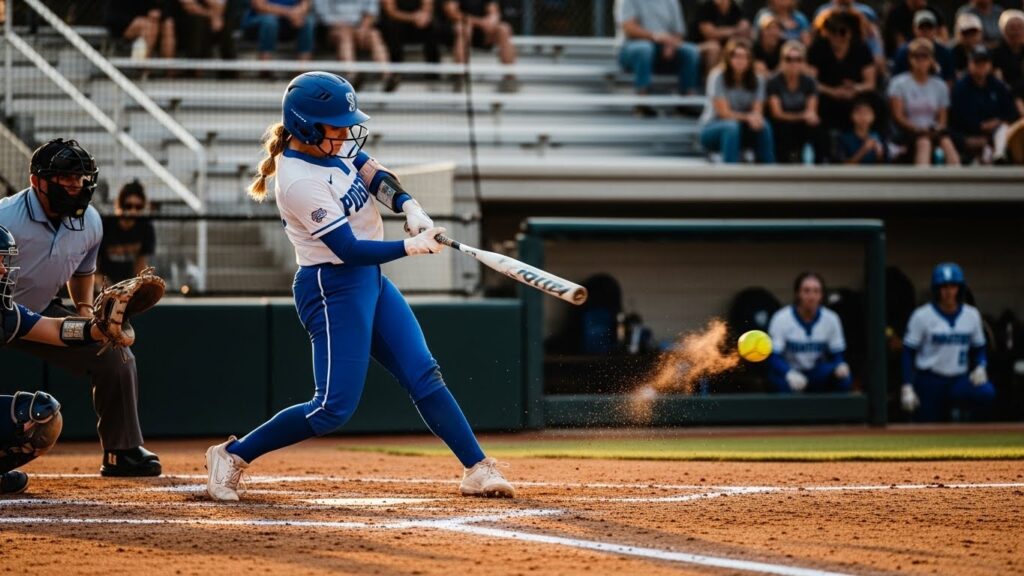
Sã³fbol has captured the hearts of millions worldwide, evolving from humble beginnings into one of the most popular recreational and competitive sports across multiple continents. This dynamic bat-and-ball game brings together people of all ages, skill levels, and backgrounds on diamonds from neighborhood parks to Olympic stadiums. Whether you’re a seasoned player, curious beginner, or enthusiastic spectator, understanding sã³fbol opens doors to a vibrant community built on teamwork, strategy, and athletic excellence. The sport’s accessibility makes it particularly appealing—requiring minimal equipment and adaptable rules that accommodate everyone from youth leagues to adult recreational teams.
The appeal of sã³fbol extends far beyond the physical game itself. It represents an opportunity for social connection, healthy competition, and personal growth. Communities rally around local sã³fbol teams, creating traditions that span generations. Parents introduce their children to the sport, passing down techniques and memories that become family legacies. Schools and universities incorporate sã³fbol into their athletic programs, recognizing its value in teaching cooperation, discipline, and sportsmanship. As we explore the multifaceted world of sã³fbol, you’ll discover why this sport continues to thrive in an era of countless entertainment options, and how it maintains relevance by adapting to modern preferences while honoring its rich traditions.
The Historical Origins and Evolution of Sã³fbol
The roots of sã³fbol trace back to late 19th-century America, where it emerged as an indoor alternative to baseball during Chicago’s harsh winter months. George Hancock is widely credited with inventing the sport in 1887 at the Farragut Boat Club, using a boxing glove as a ball and a broomstick as a bat. This improvised game quickly gained popularity, spreading from indoor gymnasiums to outdoor fields across the United States. The sport underwent numerous name changes—including “kitten ball,” “mush ball,” and “diamond ball”—before the term we recognize today became standardized in the 1920s. Early sã³fbol games featured significantly different rules than modern versions, with varying field dimensions and equipment specifications that evolved organically as more communities adopted the sport.
Throughout the 20th century, sã³fbol experienced remarkable growth and standardization. The Amateur Softball Association, founded in 1933, established unified rules that helped legitimize sã³fbol as a serious competitive sport rather than merely a casual pastime. Women’s participation particularly flourished during World War II when professional baseball players were serving overseas, creating opportunities for female athletes to showcase their talents. The sport gained international recognition when it became an Olympic event in 1996, elevating sã³fbol to unprecedented global prominence. Today’s game features sophisticated strategies, specialized positions, and athletic performances that rival any professional sport. Modern sã³fbol has diversified into multiple variations—fastpitch, slowpitch, and modified pitch—each offering unique challenges and appealing to different player preferences and competitive levels.
Read More: 9157656381
Understanding the Fundamental Rules and Gameplay of Sã³fbol
Sã³fbol gameplay centers around two teams alternating between batting and fielding positions, with the objective of scoring more runs than the opposing team within a designated number of innings. The standard game consists of seven innings, though recreational leagues may adjust this duration. A regulation sã³fbol field features four bases arranged in a diamond pattern, with distances varying based on the specific format being played. Fastpitch fields typically measure 60 feet between bases, while slowpitch configurations often use larger dimensions. The pitcher delivers the ball underhand from a designated mound or flat circle, distinguishing sã³fbol from its baseball cousin. Batters attempt to hit the pitched ball and reach base safely, while defensive players work to record outs through catches, force plays, and tag plays.
Scoring in sã³fbol occurs when a player successfully advances around all four bases and crosses home plate, with various strategies employed to manufacture runs. Teams can score through powerful hits that clear the outfield fence for home runs, or through “small ball” tactics involving bunts, stolen bases, and sacrifice plays that advance runners incrementally. The defensive team records outs by catching fly balls before they touch the ground, throwing to bases before runners arrive, or striking out batters who fail to make contact after accumulating three strikes. Specific sã³fbol rules address unique situations: the infield fly rule prevents easy double plays on pop-ups with runners on base, while courtesy runners accommodate players with mobility limitations in recreational leagues. Understanding these nuances enhances both playing effectiveness and spectator appreciation, revealing the strategic depth beneath sã³fbol’s accessible surface.
The Different Variations and Formats of Sã³fbol Competition
Fastpitch sã³fbol represents the sport’s most competitive and athletically demanding variation, featuring pitchers who deliver balls at speeds exceeding 70 miles per hour with devastating movement and deception. This format dominates collegiate athletics, Olympic competition, and elite club tournaments where precision, power, and speed converge. Fastpitch games emphasize defensive excellence, with players requiring exceptional reaction times and technical skills to succeed. Pitchers in fastpitch sã³fbol develop extensive repertoires including riseballs, dropballs, curveballs, and changeups—each designed to disrupt timing and induce weak contact. The offensive approach prioritizes contact hitting, bunting proficiency, and aggressive baserunning, creating a dynamic style that rewards both individual brilliance and team coordination.
Slowpitch sã³fbol offers a more relaxed, offense-oriented alternative that has become immensely popular in adult recreational leagues and corporate tournaments nationwide. This variation features a high-arcing pitch that must reach a minimum height before crossing the plate, giving batters ample opportunity to make solid contact and produce exciting offensive displays. Slowpitch games typically generate significantly higher scores than fastpitch contests, with multiple home runs common in competitive matches. The format accommodates ten defensive players rather than nine, adding an extra outfielder to cover the increased offensive production. Many recreational sã³fbol leagues embrace slowpitch for its inclusivity—players with varying skill levels can contribute meaningfully, and the reduced pitching velocity lowers injury risks. Modified pitch represents a middle ground, incorporating windmill pitching motions with restricted velocities, appealing to younger athletes transitioning toward fastpitch or adults seeking moderate competition without slowpitch’s extreme offensive emphasis.
Physical and Mental Health Benefits of Playing Sã³fbol
Engaging regularly in sã³fbol provides comprehensive cardiovascular exercise that improves heart health, builds endurance, and supports weight management goals. The sport’s intermittent intensity—alternating between explosive sprinting during baserunning and fielding plays with recovery periods between innings—creates an ideal training stimulus for metabolic conditioning. Players develop enhanced hand-eye coordination through batting practice and fielding drills, skills that transfer beneficially to other sports and daily activities. The throwing mechanics involved in sã³fbol strengthen shoulder, arm, and core musculature while improving rotational power and flexibility. Research indicates that regular participation in team sports like sã³fbol correlates with reduced risks of chronic diseases including diabetes, hypertension, and obesity, particularly when combined with consistent training habits and proper nutrition.
Beyond physical advantages, sã³fbol delivers substantial mental health benefits that enhance overall wellbeing and quality of life. The social connections formed through team participation combat isolation and loneliness, creating support networks that extend beyond the playing field. Studies demonstrate that individuals engaged in regular team sports report lower rates of anxiety and depression compared to sedentary populations. Sã³fbol requires strategic thinking and rapid decision-making under pressure, stimulating cognitive function and maintaining mental sharpness across age groups. The sport teaches valuable life skills including resilience after setbacks, collaboration toward common goals, and grace in both victory and defeat. Youth participants particularly benefit from structured sã³fbol programs that provide positive role models, teach discipline, and offer constructive alternatives to sedentary screen time. Adult players frequently cite stress relief as a primary motivation for continued participation, with the physical exertion and competitive focus providing healthy outlets for workplace tensions and daily frustrations.
Essential Equipment and Gear for Sã³fbol Players
Selecting appropriate sã³fbol equipment significantly impacts performance, safety, and enjoyment of the sport. The bat represents perhaps the most personal equipment choice, with options varying in length, weight, material composition, and barrel diameter. Modern sã³fbol bats utilize composite materials, aluminum alloys, or traditional wood construction, each offering distinct performance characteristics. Composite bats generally provide larger sweet spots and reduced vibration, while aluminum models offer durability and consistent performance across temperature ranges. Regulations governing bat specifications vary between leagues and competition levels, with certification stamps indicating approved models. Players should select bats that feel balanced and controllable during swings rather than simply choosing the heaviest option available, as bat speed typically matters more than raw mass for generating power.
Gloves constitute another critical component of sã³fbol equipment, with specialized designs optimized for different defensive positions. Infielders typically prefer smaller, shallow-pocket gloves that facilitate quick ball transfers during double plays and rapid-fire situations. Outfielders benefit from larger gloves with deeper pockets capable of securing fly balls at full extension. First base mitts feature distinctive designs without individual finger stalls, maximizing the catching surface for throws from infielders. Catchers require specialized mitts with extra padding to handle repeated high-velocity pitches and foul tips. Beyond bats and gloves, proper sã³fbol footwear provides essential traction and ankle support—molded cleats work well for most field conditions, while turf shoes suit artificial surfaces. Protective equipment including batting helmets with face guards, shin guards for catchers, and sliding shorts with padded inserts reduce injury risks. Investing in quality equipment appropriate to your skill level and playing frequency enhances the sã³fbol experience while demonstrating commitment to the sport.
Building Skills and Techniques for Sã³fbol Excellence
Developing a consistent, mechanically sound swing forms the foundation of offensive success in sã³fbol. Proper batting technique begins with balanced stance positioning, weight distribution favoring the back leg, and hands held near the back shoulder in a ready position. The swing itself involves a coordinated sequence: weight transfer from back to front leg, hip rotation generating torque, hands driving the bat head through the hitting zone, and follow-through extension toward the target. Common mistakes include dropping the back shoulder, pulling the head off the ball prematurely, and casting the hands away from the body rather than maintaining a compact swing path. Effective hitters practice extensively with tee work, soft toss drills, and live batting practice to groove muscle memory and develop timing against various pitch speeds and locations. Video analysis helps identify mechanical flaws that might be invisible to the naked eye, allowing targeted corrections that improve performance.
Defensive proficiency in sã³fbol requires mastering fundamental fielding techniques and understanding positional responsibilities within team defensive schemes. Proper fielding position involves staying low with knees bent, glove positioned near the ground, and eyes tracking the ball from contact through reception. Infielders must develop soft hands that absorb ground balls smoothly rather than fighting the ball’s momentum. Throwing accuracy depends on proper footwork—fielders should establish a throwing position with feet shoulder-width apart, front shoulder pointed toward the target, and weight shifting through the throw for maximum velocity and precision. Outfielders need to judge fly ball trajectories quickly, take efficient routes to interception points, and back up bases to prevent extra-base hits on misplays. Pitchers in fastpitch sã³fbol spend countless hours refining mechanics, developing pitch variety, and studying opposing hitters’ tendencies. Consistent practice, quality coaching, and mental preparation separate good sã³fbol players from elite performers who excel under competitive pressure.
The Social and Community Impact of Sã³fbol Programs
Sã³fbol serves as a powerful vehicle for community building, bringing together diverse populations around shared athletic pursuits and common goals. Local leagues create spaces where neighbors who might never otherwise interact form meaningful relationships through weekly games and practice sessions. Youth sã³fbol programs provide structured activities that keep children engaged, active, and connected to positive peer groups during critical developmental years. Parents become invested in their children’s teams, volunteering as coaches, organizing fundraisers, and creating supportive environments that extend beyond the field. These community connections often persist for years, with sã³fbol teammates maintaining friendships long after their playing days conclude. Towns and cities frequently rally around successful sã³fbol programs, attending championship games and celebrating achievements that foster civic pride and collective identity.
Corporate sã³fbol leagues have emerged as valuable tools for workplace team building, offering employees opportunities to interact outside formal office settings and develop camaraderie that improves professional collaboration. Companies recognize that sã³fbol participation reduces stress, improves morale, and creates informal communication channels between departments and hierarchy levels that might remain siloed during regular business operations. Charitable sã³fbol tournaments raise substantial funds for worthy causes while providing participants with enjoyable competitive experiences and networking opportunities. The sport’s inclusivity allows organizations to field teams with mixed skill levels and abilities, emphasizing participation and fun over cutthroat competition. Women’s sã³fbol has particularly flourished as an empowering activity that challenges traditional gender stereotypes while providing female athletes with visibility, respect, and pathways to athletic scholarships. Communities investing in quality sã³fbol facilities—including well-maintained fields, adequate lighting, and comfortable spectator areas—demonstrate commitment to public health, youth development, and recreational opportunities that enhance residents’ quality of life.
Sã³fbol’s Growing Global Presence and International Competition
While sã³fbol originated in the United States, the sport has achieved remarkable international growth, with thriving communities established across six continents. Japan has embraced sã³fbol with particular enthusiasm, developing world-class programs that consistently compete for international championships. The Japanese approach emphasizes technical precision, disciplined training regimens, and strategic sophistication that has influenced global playing styles. Australia, New Zealand, and numerous Pacific Island nations have produced exceptional talent, with their national teams regularly contending in World Championships and Olympic competitions. European countries including the Netherlands, Czech Republic, and Italy have cultivated competitive sã³fbol cultures despite the sport facing greater competition from traditional European athletic pursuits like soccer and basketball.
Latin American nations have increasingly invested in sã³fbol development, recognizing the sport’s potential to provide athletic opportunities and international recognition. Venezuela, Puerto Rico, Mexico, and other countries have produced talented players who excel at the highest levels of international competition. The World Baseball Softball Confederation governs international sã³fbol, organizing World Cups and continental championships that showcase elite talent and promote the sport’s continued expansion. Sã³fbol’s inclusion in multi-sport events like the Pan American Games and its periodic Olympic participation elevate the sport’s profile and inspire young athletes globally to pursue excellence. International competition has raised overall playing standards, with tactical innovations and training methodologies spreading rapidly through coaching networks and digital media. The sport’s global growth creates opportunities for cultural exchange, with athletes from diverse backgrounds united by their shared passion for sã³fbol and commitment to representing their nations with pride and distinction.
Conclusion: Embracing the Timeless Appeal of Sã³fbol
Sã³fbol represents far more than a sport played on diamond-shaped fields—it embodies values of teamwork, perseverance, and community that resonate across generations and cultures. From weekend recreational leagues to elite international competitions, sã³fbol provides accessible opportunities for athletic participation, personal development, and social connection. The sport’s various formats accommodate different skill levels and competitive aspirations, ensuring that anyone interested can find an appropriate entry point. Whether you’re considering joining a local sã³fbol team, supporting youth programs in your community, or simply appreciating the sport as a spectator, engaging with sã³fbol enriches lives through physical activity, mental stimulation, and meaningful relationships.
As sã³fbol continues evolving in the 21st century, it maintains its essential character while adapting to contemporary preferences and opportunities. The sport’s combination of strategic depth, athletic challenge, and inclusive spirit ensures its relevance for future generations seeking purposeful recreation and competitive outlets. Consider exploring sã³fbol opportunities in your area—whether picking up a bat for the first time or returning to a sport you once loved, the diamond awaits with countless possibilities for enjoyment, achievement, and community connection.